
Solar panel efficiency is measured by the amount of sunlight converted into electricity. Thanks to many advances in photovoltaic technology, the efficiency of solar panels has risen from 15% to 20% over the past few years.
Two primary factors gauge solar panel efficiency: photovoltaic cell efficiency and total panel efficiency. Increasing the panel size can lift solar panel efficiency, because the larger surface area captures more sunlight and so generates more electricity.
Factors to Determine the Solar Panel Efficiency
Three key material-related factors affect both the efficiency and the price of your solar panels, making them crucial considerations when choosing the right panel.
What are Efficient Solar Panel Materials?
Manufacturers use a variety of materials to make solar panels. The most popular are:
- Monocrystalline
- Polycrystalline
- Thin Film (Silicon Solar Panels)
Monocrystalline is the best material, averaging an efficiency rate of 20%. The same applies to panels made from p-type (positive) and n-type (negative) silicon cells.
Solar Panels Efficiency vs. Reflectivity
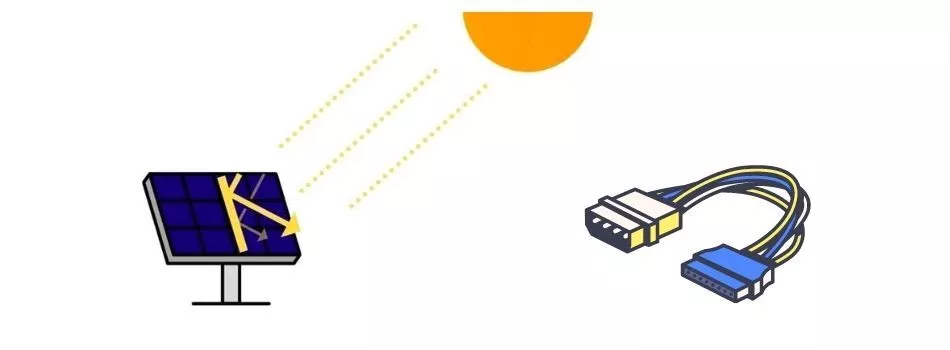
When sunlight strikes a panel, some of the light reflects away. This unabsorbed light is neither harnessed nor converted into electricity, resulting in energy loss and reduced cell efficiency. The greater the reflection from a panel, the lower its efficiency.
This is why most solar panels are built with glass – to maximise light absorption and minimise reflection. It also explains why black solar panels typically achieve significantly higher efficiency rates.
The Wiring and Busbar of the Solar Panel
The number of busbars and the solar wiring strongly affect a system’s efficiency. A higher count of busbars is beneficial, as it converts more energy with reduced tension. Sunlight is ultimately carried to the inverter via the wiring, so wiring quality is crucial in ensuring power travels with minimal resistance.
Other factors that affect solar panel efficiency include:
- Shading of the solar panels
- Temperature derating and degradation
- Solar panel orientation
- Solar inverter efficiency
- Long cable runs
- Design of the solar system
- Quality of your solar panel installation
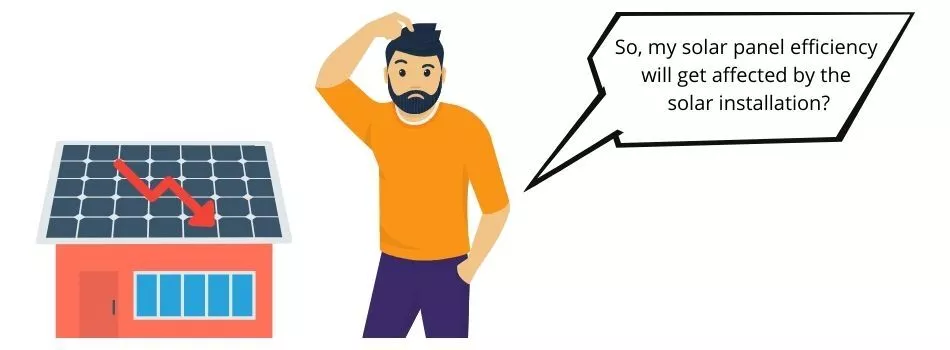
Installation quality matters here too – our examples of poor solar installations show how a bad job can undermine even the best panels.
Reasons for Low Solar Panel Efficiency
Numerous factors can lead to low efficiency. We’ll address the top two here.
Thermal Heat
Solar panels reach their highest efficiency before they begin generating heat. They operate within a range of 60%–85% efficiency, beyond which they start producing heat and risk damage, limiting their energy conversion capacity.
Solar Panels are fixed
Another consideration is the fixed orientation of solar panels, which can hinder optimal sun exposure. This limits conversion efficiency, as less sunlight reaches the panels.
Final Verdict
Assessing solar panel efficiency is complex, as opinions differ and the result depends on panel size and your own requirements. For a wider look, see our roundup of the most efficient solar panels. Consult our solar installers and get a free quote now.