
In this article, we break down solar export limits — solar export limiting explained. Many Australian homes can’t export more than 5kW to the grid, and for larger systems with inverters above 5kW, export limiting is a requirement. Here’s how it works. While it’s not a major concern for most households, understanding your system helps you make better decisions about your solar panels.
Understanding Solar Export Limiting
Export limiting is your local electricity provider’s cap on how much energy your solar system can send back to the grid. It usually doesn’t affect households during regular hours, but it matters at peak times.
You might wonder why it’s necessary. It’s in place because so many Australians generate excess energy on sunny days and export it back to the grid, which can cause grid instability and power drops.
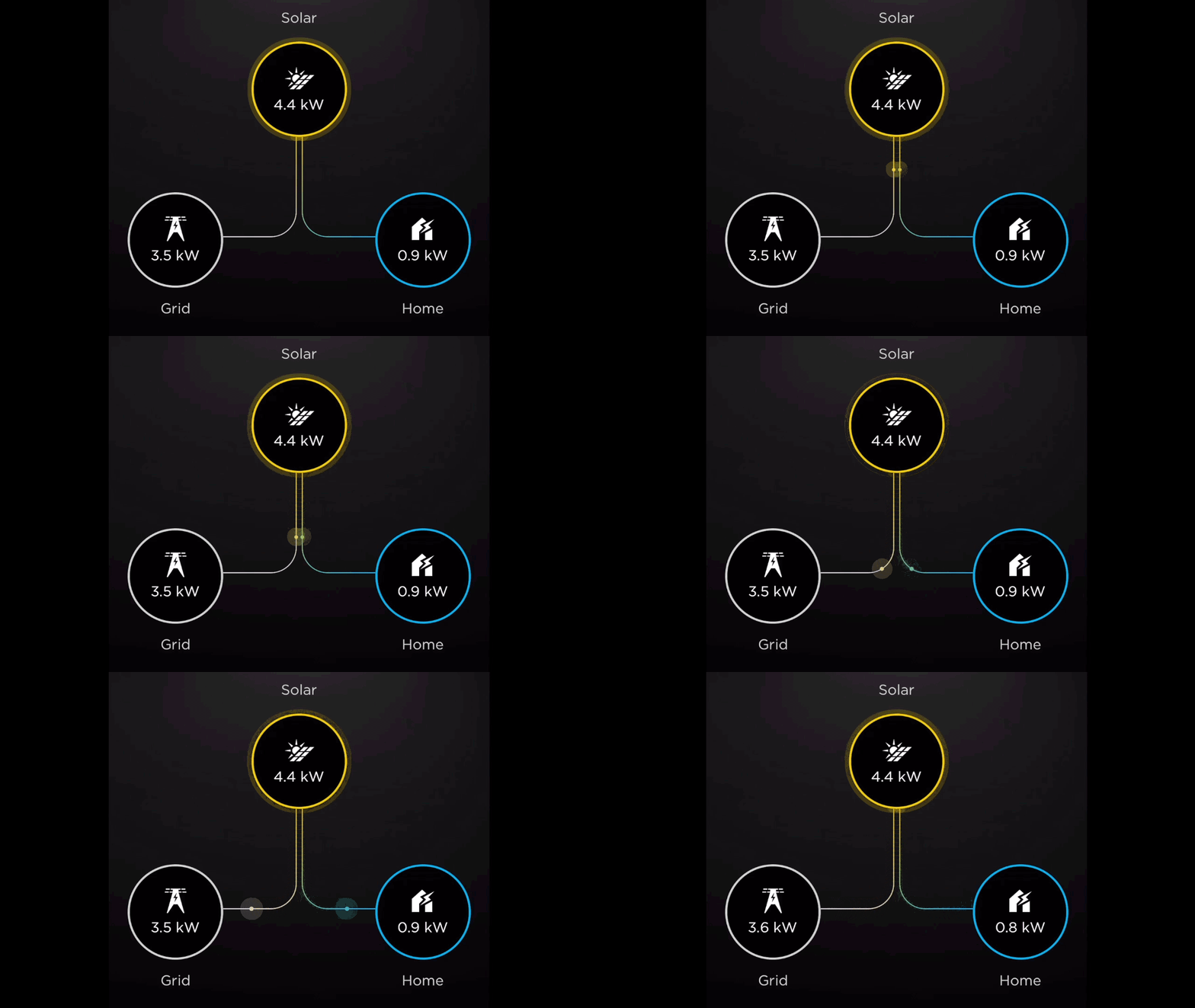
When you generate more energy than you need, the surplus flows to the grid. To understand what you earn for that surplus, see our guide on how feed-in tariffs work.
Impact of Solar Export Limiting
The impact of export limiting sparks debate. Supporters have their reasons, while opponents argue against it — a common concern being the loss of feed-in tariff income. In practice, though, this doesn’t affect everyone.
Unless you’re exporting a substantial amount, feed-in tariffs aren’t as valuable as you might think.
Pros and Cons of Solar Export Limiting
Pros
Larger system installation: Export limits make it possible to install a bigger system than you otherwise could.
Meeting growing energy needs: In today’s digital era, future-proofing your home means a larger energy system. A 10kW system is often a better choice than a 4–5kW one, given rising household energy demands. Our guide on what size solar system you need can help you decide.
Grid protection: Export limits prevent power surges and the problems that come with them. By avoiding the shortages caused by excessive energy injection, they ease strain on power lines and contribute to a more stable grid.
Optimised home consumption: With a cap on exported power, more energy stays available for your own use. This encourages higher self-consumption, improves energy efficiency, and strengthens your return on investment over time.
Cons
Energy wastage: An inherent downside of export limits is wasted energy. If your system generates more than the limit allows, the surplus goes unused — and the amount lost can be hard to measure.
Inaccurate data reporting: Export limits can distort your solar data, since energy generated beyond the limit isn’t accurately reflected in reporting. This can make it harder to assess your system’s true performance.
Final Verdict
Every coin has two sides, and solar export limiting is no different — it brings both benefits and drawbacks. On the upside, it can help you get a bigger system signed off for your home, which you can use to your advantage. On the downside, it can disadvantage homeowners who aren’t allowed to export surplus energy at all, particularly when it comes to the reporting and data of their system’s performance. To get the most from your setup, our tips on boosting your solar savings are worth a read. Contact the Solar Air Energy team for more on solar export limits, or get a free quote from Brisbane’s leading solar energy company for your installation.